
From June 29 to July 1, 2026
Botanical Garden of Valencia, (Spain)
Calle de Quart, 80, 46008 València (Spain)

How to get there



Closest metro Stations: Several Bus lines get there (link) Do you prefer to bike? Then check valenbiSI (link)
- Turia (lines 1, 2)
- Àngel Guimerà (lines 1, 2, 3, 5, 7, 9)
A little piece of history about this beautiful place
Origins (16th–18th century)
The institution traces its roots back to the 16th century, when the University of València created a medicinal-plant garden to teach botany/medicinal plants.
In the 18th century, a more formal botanical garden was set up on the orchard of Tramoyeres, a neighborhood outside the old city walls near Calle Quart.
Establishment at the current site (early 19th century)
In 1802, the University of València purchased the Huerto de Tramoyeres for the garden’s relocation to its current site.
From around 1829 to 1863, under the leadership of botanist Professor Félix Pizcueta, the garden underwent major reforms: new plant collections, introduction of exotic plants, greenhouses, and botanical teaching.
In 1845, a catalogue listed over 6.000 living species and herbarium specimens.
Between 1860–62, a significant iron-and-glass conservatory, designed by architect Sebastià Monleón, was constructed, considered technologically advanced for its time.
Late 19th century: added shade-house (umbracle) designed by architect Arturo Mélida Alinar (1897) and other extensions.
20th century to decline and restoration
During the 20th century, the garden suffered neglect, due to war, floods and general decline of institutional support.
In 1987, the University of València designated the garden as a research, teaching and cultural centre, initiating full restoration.
Restoration took place in two phases:
First phase (1989-1991): garden areas and historic buildings restored, new collections established, reopened to public in June 1991.
Second phase: research building inaugurated in 2000, modernising facilities and establishing its current role.
Present day
The garden now spans around 4–4.5 hectares, is owned and managed by the Universitat de València and functions as a public botanical garden, research and teaching centre.
It houses one of Europe’s largest collections of palms, as well as cacti, succulents, medicinal plants and a broad representation of global flora.
It is declared a “Site of Cultural Interest”, in the category of Historical Garden, and is recognised for its historic buildings and plant collections.
Keynote speakers
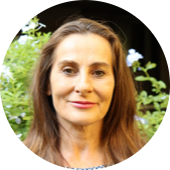
Ana Conesa
I2SysBio-CSIC
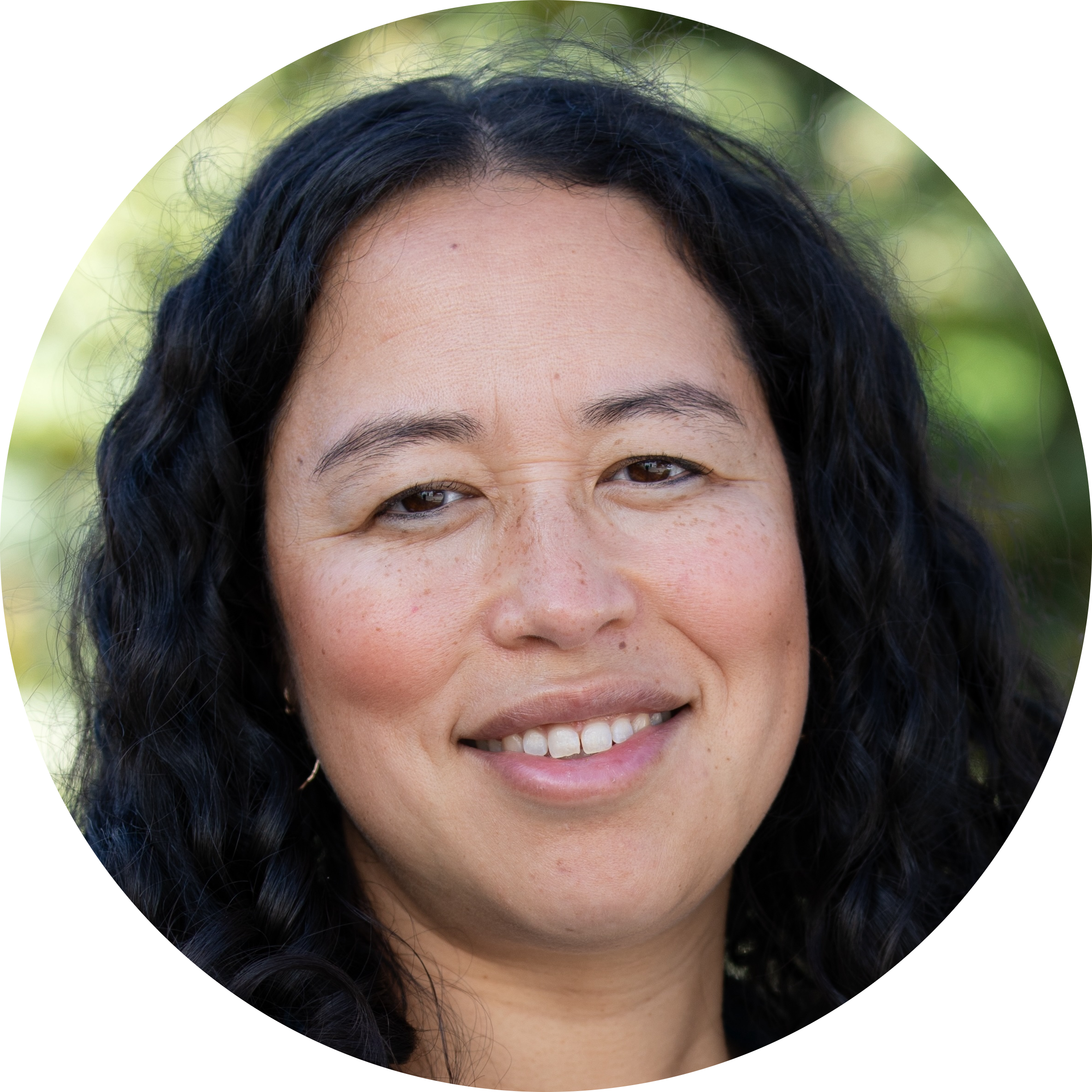
Angela Brooks
University of California Santa Cruz Genomics Institute
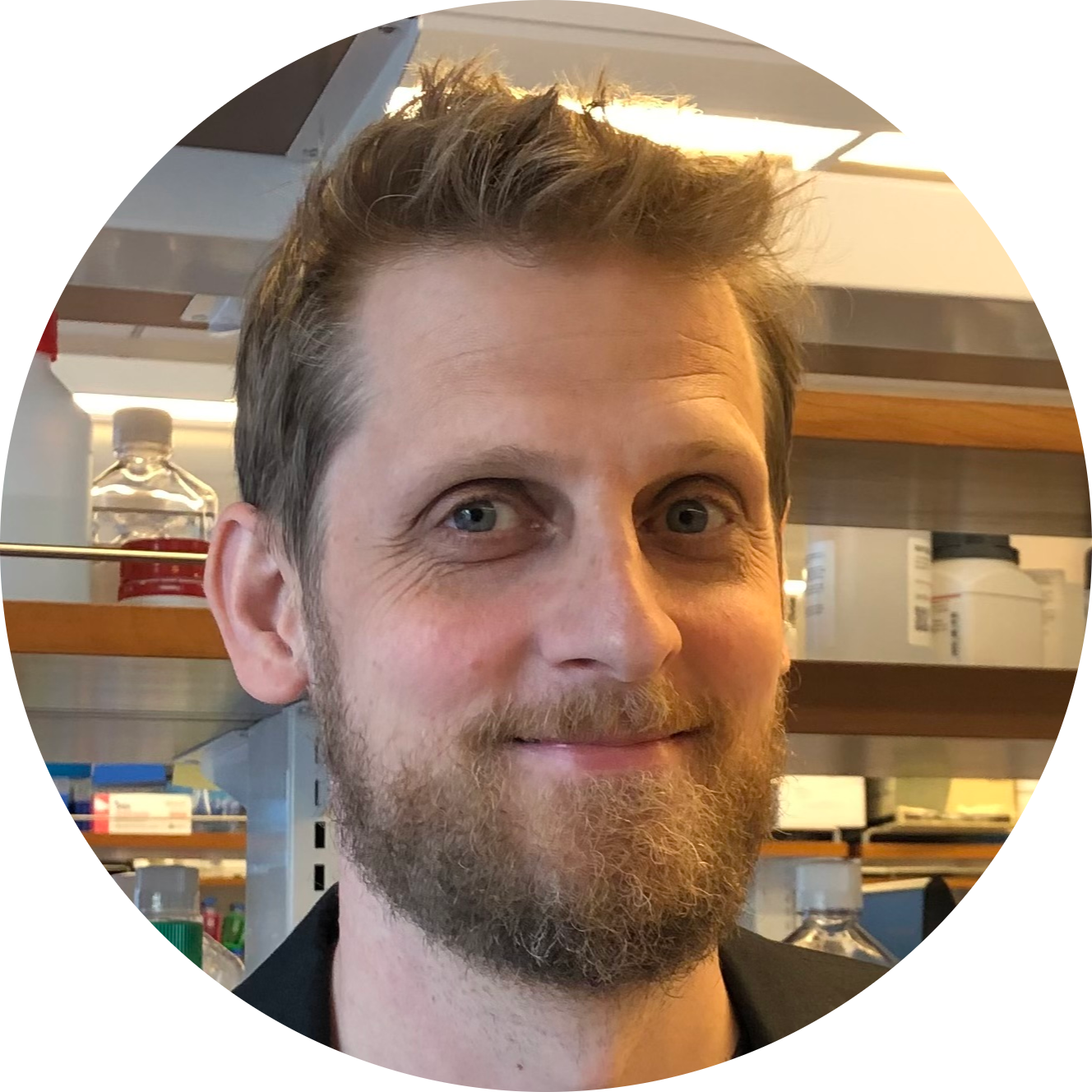
Hagen Tilgner
Weill Cornell Medical College
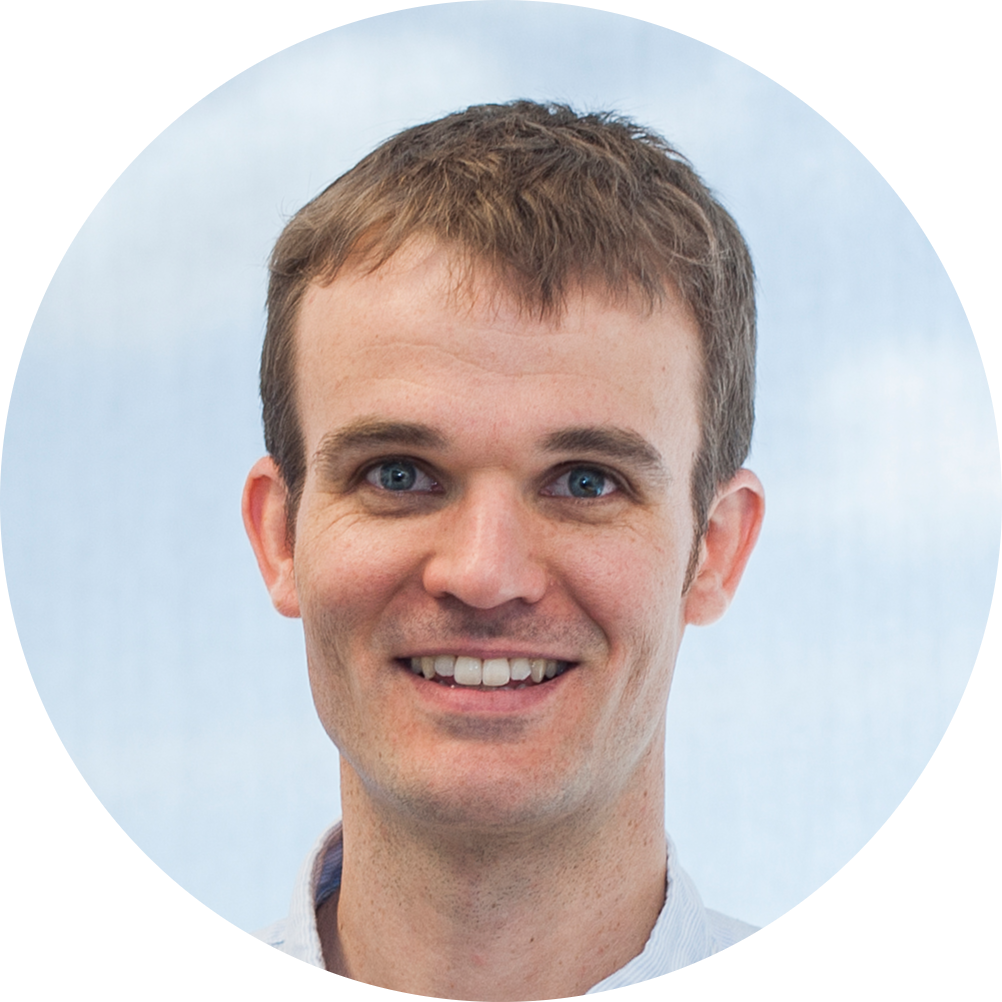
Matthew Ritchie
Walter and Eliza Hall Institute of Medical Research

Gloria Sheynkman
University of Virginia
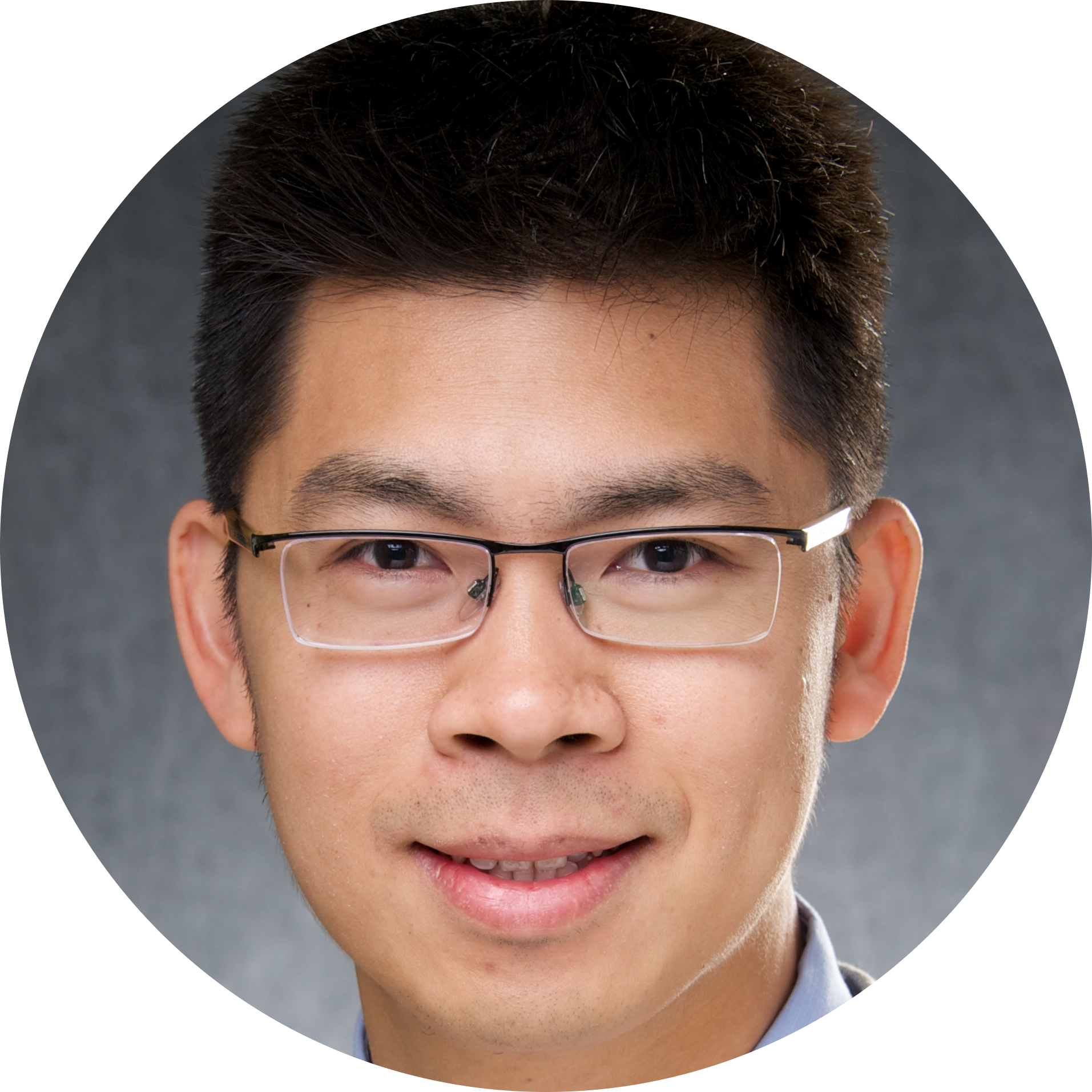
Kin Fai Au
University of Michigan
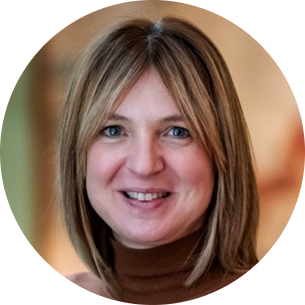
Jana Jeschke
Université Libre de Bruxelles
LongTREC researchers

Fran Cervilla
Earlham Institute
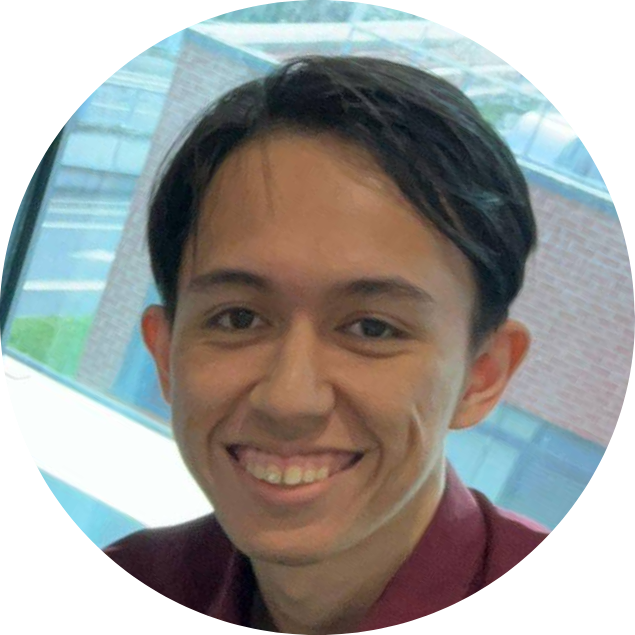
Satrio Wibowo
University of Nottingham

Mahmud Sami Aydin
University of Stockholm
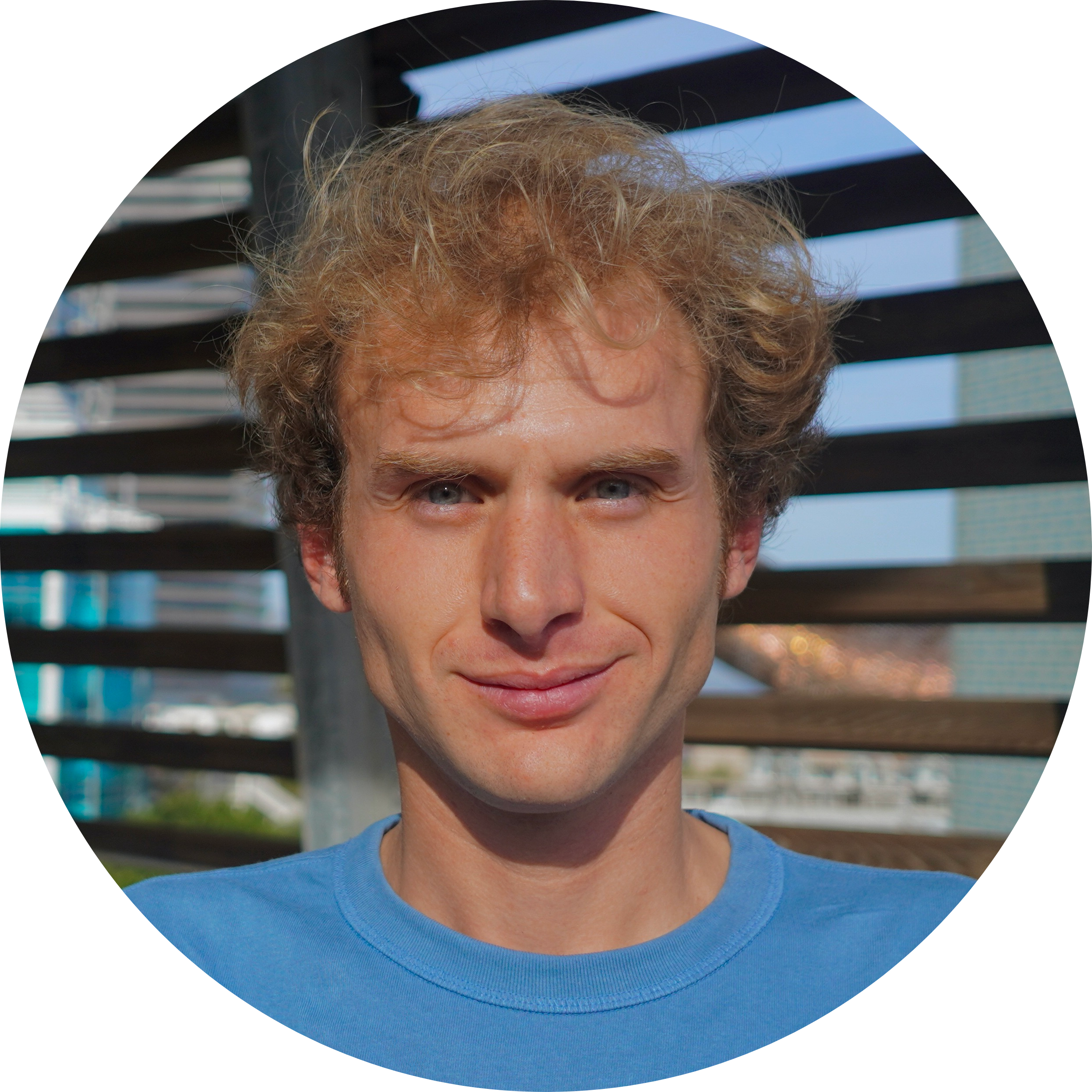
Fabio Zanarello
Centre de Regulació Genòmica

Nadja Nolte
National Institute of Biology

Eamon McAndrew
CNRS
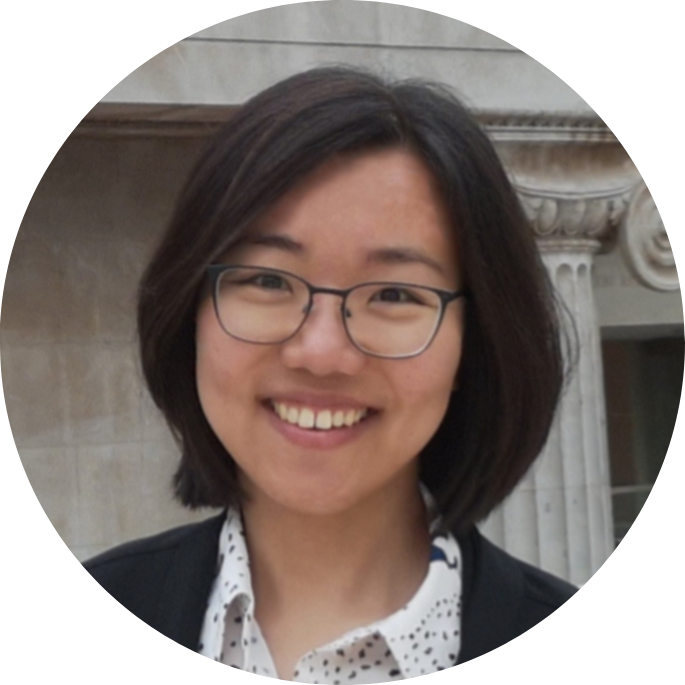
Yalan Bi
MPI for Molecular Genetics

Carmen Lafuente
Genoscope, CEA
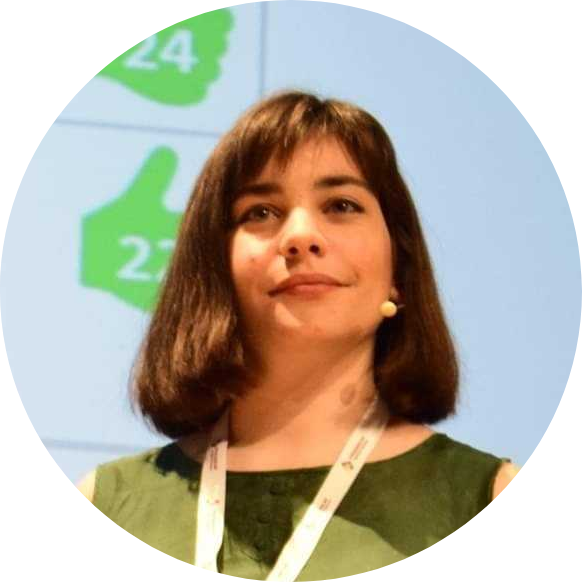
Leda Katopodi
Centre de Regulació Genòmica

Pablo Angulo
Instituto Italiano di Tecnologia

Tianyuan Liu
CSIC

Fabian Jetzinger
BioBam Bioinformatics
Scientific Committee
 Ana Conesa
I2SysBio-CSIC
 Marko Petek
National Institute of Biology
 France Denoeud
CEA, Genoscope
 Wilfried Haerty
Earlham Institute
 Logan Mulroney
National Cancer Institute (NCI)
Organizing Committee
Ana ConesaLongTREC Coordinator
 Clara Rodriguez
LongTREC Project Manager
 Pablo Atienza
GGE Communication specialist
 Stefan Götz
Biobam – LongTREC partner
Eamon McAndrewLongTREC Communication specialist
VALT 2026 – Preliminary Scientific Programme
Valencia, Spain · 29 June – 1 July 2026
Monday, 29 June 2026
09:00 – 09:10 · Auditori
Welcome
Ana Conesa
09:10 – 09:50 · Auditori
Opening Keynote
Angela Brooks
Multi-omic long-read sequencing reveals the contribution of chromatin
to RNA transcription and processing
09:50 – 10:10
Tianyuan Liu
SQANTI-Epi: Linking Chromatin State to Isoform Regulation via Integrated
Fiber-seq and Long-read RNA-seq
10:10 – 10:30
Pablo Angulo
Long-read sequencing uncovers transcriptional allele-specific dosage compensation in aneuploidy
10:30 – 10:50
Mahmud Sami Aydin
De novo transcript construction and isoform clustering from gene clusters
10:50 – 11:30 · Espai Umbracle
Coffee Break & Posters
11:30 – 11:50
Fairlie Reese
Long-read transcriptomics of a diverse human cohort reveals ancestry bias in gene annotation
11:50 – 12:10
Maximillian Gabriel Marin
Personalized transcriptome annotation reveals reference-biased isoforms and the impact of structural variation on human transcript diversity
12:10 – 12:30
Juan Francisco Cervilla
Evaluation of gene fusion expression of B-ALL samples at single cell resolution
12:30 – 12:50
Anastasiya Grinko
Expanding the known transcriptome on the single-cell level
12:50 – 13:10
Flash Talks session
Harrison D. Heath
Enhancing Transcriptome Assemblies via a Multi-Evidence Framework for Transcript End Detection in FLAIR4
Chi Wai Yip
High resolution annotation of the human non-coding transcriptome via CFC-seq and SALA assembly
Pablo Atienza
Guiding structural gene prediction with long-read transcriptomics using SQANTI Evidence
Honey Mekonen
Generating Tissue specific Isoform Atlas for Humans (TiSHIA)
13:10 – 14:10 · Umbracle & Espai Umbracle
Lunch Break
Workshop – Oxford Nanopore Technologies
- Aino Järvelin, Associate Director, Sample Technology Bioinformatics, Oxford Nanopore Technologies Introduction (10 min)
- Dr. Jonathan Göke, Principal Investigator, Genome Institute of Singapore (A*STAR): “Updates from the cDNA beta test – a comparison of library preparation methods for long read RNA-Seq” (25 min)
- Prof. Christoph Dieterich, Bioinformation, Heidelberg University: “Long read direct RNA-seq unravels the complex landscape of modification co-occurence on mRNA” (25 min)
- Comfort break (10 min)
- Andre Sim (40 min)
- Aino Järvelin (5 min) Wrap up
16:10 – 16:45 · Espai Umbracle
Coffee Break & Posters
16:45 – 17:05
Eamon McAndrew
Long-read single-cell and spatial transcriptomics to explore the diversity of isoform expression
17:05 – 17:45 · Auditori
Keynote session
Hagen Tilgner
Single-cell brain RNA isoforms across anatomical structures, postnatal development and brain diseases – or –isoforms in time and space
Tuesday, 30 June 2026
09:00 – 09:40 · Auditori
Keynote session
Matthew Ritchie
Benchmarking and analysing long-read RNA-sequencing data with LongBench and FLAMES
09:40 – 10:00
Yalan Bi
Interactome predictions from long-read transcriptome sequencing (LRTS) data
10:00 – 10:20
Fabian Jetzinger
To join or not to join: handling biological replicates in lrRNA-seq data
10:20 – 10:40
Fabio Zanarello
Transferring gene models across species to annotate lncRNA loci
10:40 – 11:25 · Espai Umbracle
Coffee Break & Posters
11:25 – 11:45
Mark D. Robinson
Systematic benchmarking of long-read RNA-seq platforms and modern benchmarking using Omnibenchmark
11:45 – 12:05
Lauren McIntyre
Variation in splice junctions is reproducible across technologies and conserved across species
12:05 – 12:25
Nadja Nolte
Using long-read RNA-seq for studying heat stress response in polyploid potato
12:25 – 12:45
Carmen Lafuente
Revealing the hidden genetic diversity of marine plankton
12:45 – 13:05
Flash Talks session
Colette Felton
Comprehensive long-read RNA sequencing analysis reveals novel driver alterations in lung cancer
Brian O’Toole
Annotation Accuracy and Completeness Across Vertebrate Orders
Mariana Ribeiro
FLIGHT-seq: Full Length, Isoform lonG-read High Throughput sequencing
Rosemary A. Bamford
Long-read Transcriptome Sequencing Reveals Major Isoform Diversity in the Human Cortex
13:05 – 14:05 · Umbracle & Espai Umbracle
Lunch Break
14:05 – 16:05 · Auditori
Workshop – Pacific Biosciences
- Neil Ward, VP and General Manager EMEA @PacBio: “Large-scale, automatable RNA sequencing with Kinnex”. (18 min)
- Jocelyne Bruand, Senior Staff Scientist, Bioinformatics @PacBio: “Kinnex-IsoSeq-WDL: Workflows for High Throughput Analysis of HiFi Kinnex Full-Length RNA Data”. (28 min)
- Carolina Monzó, Postdoc Researcher CSIC: “SQANTI-browser: Bridging the gap between SQANTI3 Isoform Classification and the UCSC
Genome Browser”. (18 min) - Charlotte van Dijk, UMC Utrecht: “Improving Single Nuclei Isoform Detection by Integrating an Exome Capture in PacBio’s Kinnex Protocol”. (18 min)
- Ryan Gossart, PhD student Brandeis University: “Single-cell landscape of RNA isoforms in the Drosophila visual system”. (18 min)
- Carlos Blanco, PhD student CSIC: “SQANTI-single-cell: Quality control and curation of long-read RNA-Seq datasets at single-cell resolution”. (18 min)
16:05 – 16:45 · Espai Umbracle
Coffee Break & Posters
16:45 – 17:05
Nuo Xu
Leveraging Long-Read Transcriptomics and Ribo-seq to Expand the Noncanonical Proteome
17:05 – 17:45
Keynote session
Gloria Sheynkman
From Long Reads to Proteoforms: Integrating Transcriptomics and Proteomics for Isoform Discovery
Wednesday, 1 July 2026
09:00 – 09:40 · Auditori
Keynote session
Jana Jeschke
Nanopore-Resolved Epitranscriptomic Landscapes in Human Breast Cancer
09:40 – 10:00
Xanthi-Lida Katopodi
Charting the tRNAome in health and disease
10:00 – 10:20
Satrio Wibowo
Improving Adaptive Sampling for Transcriptomics
10:20 – 10:40
Valeria Famà
Uncovering the impact of RNA modifications on RNA fate
10:40 – 11:25 · Espai Umbracle
Coffee Break & Posters
11:25 – 12:05
Keynote session
Kin Fai Au
How long reads improve quantitative analysis of transcriptome?
12:05 – 12:25
Adriano Fonzino
Ab initio detection of multiple epitranscriptomic modifications from ONT direct RNA sequencing data
12:25 – 12:45
Logan Mulroney
Direct RNA nanopore sequencing reveals rapid changes in RNA modifications following glucose stimulation in human pancreatic beta cell lines
12:45 – 13:05
Camilla Ugolini
BRIGHT: A Long-Read Resource to Resolve Transcript and Epitranscriptomic Complexity in Aggressive Breast Cancer
13:05 – 14:05 · Umbracle & Espai Umbracle
Lunch Break
14:05 – 15:05 · Auditori
Workshop – Long-read proteogenomics (LRP2)
Gloria Sheynkman & Megan Schertzer & Julia Lewandowski
Join us for an interactive exploration of long-read proteogenomics using LRP2, a user-friendly Nextflow pipeline connecting long-read transcriptomes to mass spectrometry proteomics. All experience levels are welcome; no coding expertise is required. Please, bring a laptop.
- Introduction (5 min) — Basic overview of proteogenomics
- Pipeline demo (2 min) — Video walkthrough of running LRP2 on an HPC
- Hands-on exploration (50 min) — Everyone will have access to a Google Colab notebook and interactive Plotly Dash apps using real ENCODE4 K562 and HepG2 data, covering all five subworkflows:
• Transcript discovery (PacBio IsoCall)
• Transcriptome QC and filtering (SQANTI3)
• ORF prediction (CPAT)
• Differential analysis (edgeR, DRIMSeq, Long-read LeafCutter)
• Proteomics validation (FragPipe)
15:05 – 15:45
Scientific Committee
Round Table: The Future of the Long-read Transcriptomics
15:45 – 16:05 · Espai Umbracle
Dedicated Poster session
16:05 – 16:45 · Espai Umbracle
Coffee Break & Posters
16:45 – 17:15
Closing Keynote
Ana Conesa
SQANTIverse: A comprehensive framework for analyzing long-read transcriptomics data
17:15 – 17:45
Closing & Awards
Scientific Committee
| # | Presenting author | Poster Title |
| 1 | Megan D. Schertzer | Long-read Proteogenomics (LRP2): A pipeline for discovery and analysis of biologically relevant isoforms |
| 2 | Mariana Ribeiro | FLIGHT-seq: Full Length, Isoform lonG-read High Throughput sequencing |
| 3 | Colette Felton | Comprehensive long-read RNA sequencing analysis reveals novel driver alterations in lung cancer |
| 4 | Brian O’Toole | Annotation Accuracy and Completeness Across Vertebrate Orders |
| 5 | Gert-Jan Hendriks | RNA BaseCode: Long-Read RNA Sequences with Short-Read Accuracy. |
| 6 | Rosemary A. Bamford | Long-read Transcriptome Sequencing Reveals Major Isoform Diversity in the Human Cortex |
| 7 | Rosemary A. Bamford | Splicing Across Species: Long-read Transcriptome Sequencing in Human and Gorilla Cortical Organoids |
| 8 | Francesco Dossena | Abundant mRNA-derived fragments detected by long and short read transcriptomics. |
| 9 | Umran Yaman | Long-read transcriptomics of MAPT gene-replacement mouse models reveals genome-wide isoform usage and tau transcript diversity |
| 10 | Harrison D. Heath | Enhancing Transcriptome Assemblies via a Multi-Evidence Framework for Transcript End Detection in FLAIR4 |
| 11 | Chi Wai Yip | High resolution annotation of the human non-coding transcriptome via CFC-seq and SALA assembly |
| 12 | Daniel Jachimowicz | Large-scale long-read transcriptomic studies are within reach |
| 13 | Pablo Soro-Barrio | Overview of long-read projects at BABs |
| 14 | Katelyn Beasley | Long read proteogenomics validate aberrant splicing in aged AML patients |
| 15 | Julia T. Lewandowski | Isoform Gazer: An interactive webtool to visualize isoform diversity |
| 16 | Yue Dong | Assessing Long-read Single-cell Transcriptomics During BLaER1 Transdifferentiation |
| 17 | Kylie-ann Montgomery | Beyond whole genome sequencing: long-read DNA sequencing and targeted transcriptomics identify a cryptic NEB splicing variant in nemaline myopathy |
| 18 | Pablo Atienza | Guiding structural gene prediction with long-read transcriptomics using SQANTI Evidence |
| 19 | Andrés Colomer Fernández | Evaluating RNA degradation patterns with long-reads transcriptomics for improved isoform assignment and quantification |
| 21 | Jiayi Wang | Systematic benchmarking of variant calling and phasing methods for long-read RNA-seq |
| 22 | Chelsea Uju Amajirionw | Beyond False Positives: Interrogating RNA Modification Detection based on Direct RNA Sequencing |
| 23 | Brendan Beahan | ONT direct RNA sequencing for m6A profiling in breast cancer: benchmarking low-input and multiplexed workflows |
| 24 | Honey Mekonen | Generating Tissue specific Isoform Atlas for Humans (TiSHIA) |
| 25 | Michele Panepuccia | An atlas of retrotransposon-containing transcripts uncovers principles of specificity and cooperation to control at chromatin human cell differentiation |
Registration is Close!